Member Spotlight: Central Coast Industry Connect — Building a Collaborative Manufacturing Ecosystem on the Central Coast
_20251215163336.jpg)
Across Australia, regional manufacturing is being reshaped by new expectations around capability, collaboration and innovation. For the Central Coast, Central Coast Industry Connect (CCIC) — a TCI Network member — has become the backbone organisation helping industry, government and education partners work together as a coordinated ecosystem.
Rather than viewing manufacturing challenges as issues for individual firms, CCIC approaches them as systemic problems requiring collective solutions. Skills shortages, fragmented support services, limited access to modern equipment and the difficulty SMEs face in scaling are not isolated issues — they are indicators of a system needing stronger connective tissue. CCIC has stepped into that role.
A precinct designed to activate collaboration, capability and innovation
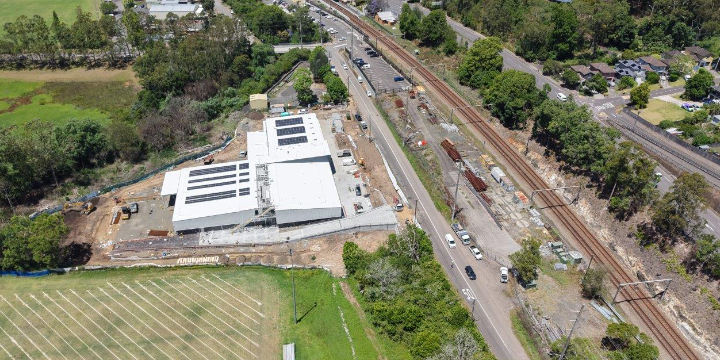
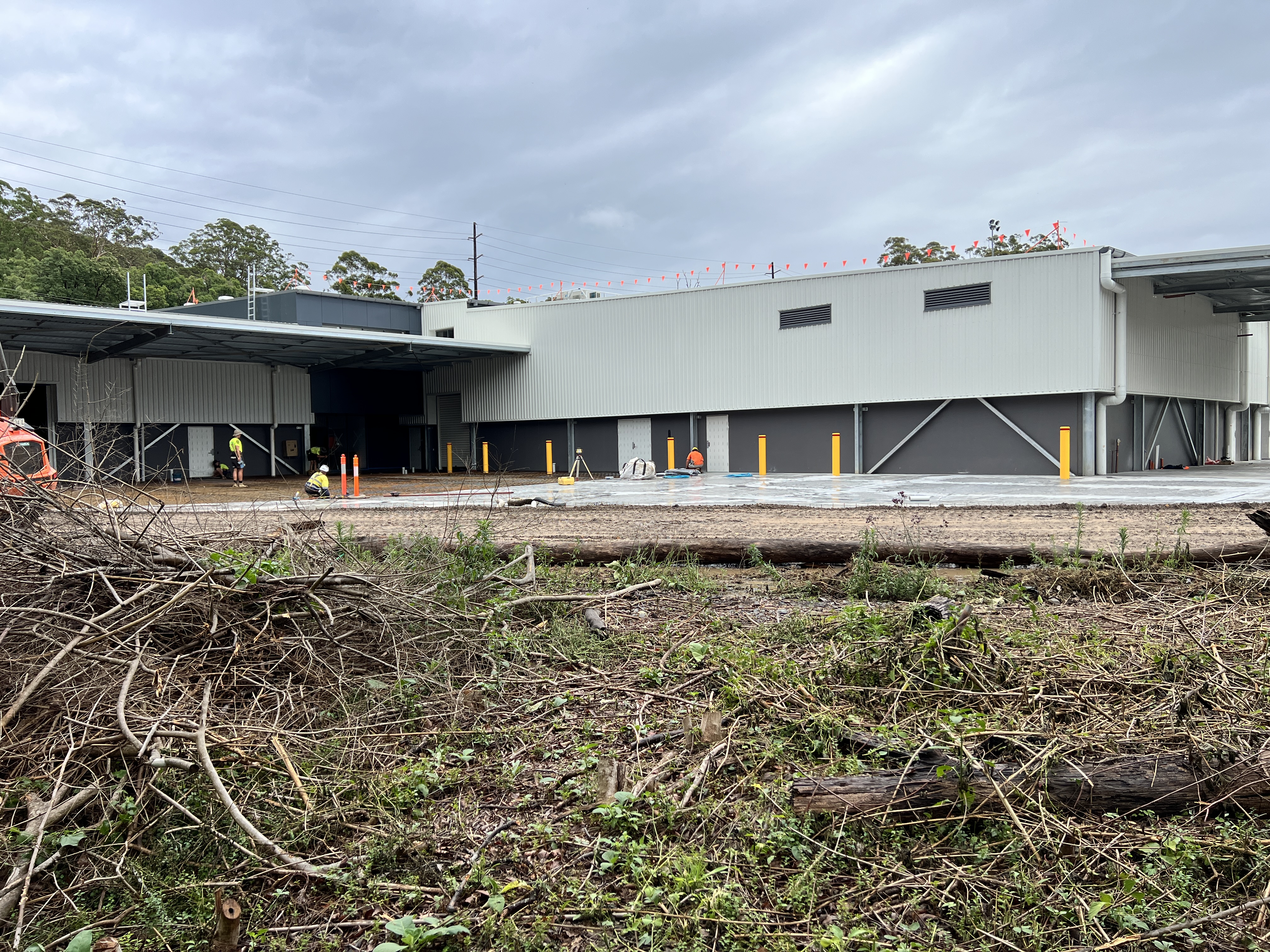
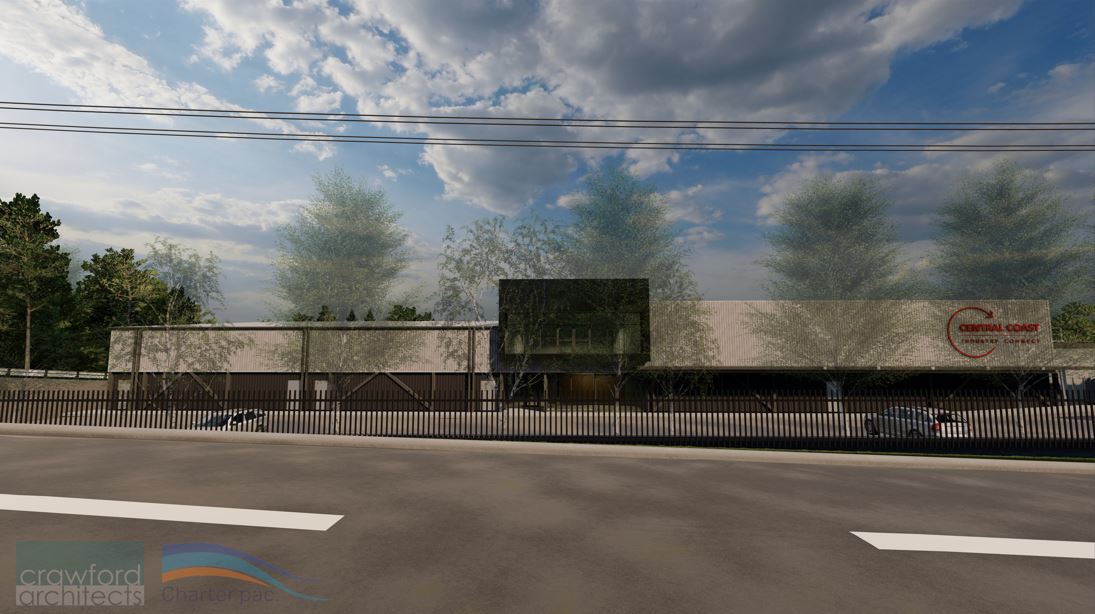
The forthcoming Central Coast Food Manufacturing Innovation Hub represents more than a new facility — it is a precinct designed to enhance the region’s collaborative advantage. Funded by the Australian Government and supported by the University of Newcastle, Central Coast Council and RDA Central Coast, the Hub is being developed as a place where companies learn together, innovate together and grow together.
By integrating pilot-scale production lines, training environments, applied research spaces and tenancy opportunities under one roof, CCIC is creating a shared platform for regional capability building. The design reflects global best practice across innovation districts and cluster precincts — where proximity, shared infrastructure and curated programs accelerate spillovers, partnerships and commercialisation.
Strengthening the cluster: connecting businesses, researchers and talent pipelines
The Central Coast already has a strong manufacturing base, with food and beverage producers contributing significantly to regional output. CCIC’s role is to activate this cluster by:
• convening firms around strategic opportunities
• brokering partnerships with universities and training providers
• helping companies navigate regulation, market access and innovation pathways
• creating shared learning environments that lift performance at the sector level
This aligns strongly with TCI’s cluster development principles — capability uplift, knowledge flow, collaboration across value chains and targeted support for SMEs.
A systems approach to workforce and skills
One of the region’s most pressing challenges is access to skilled labour. CCIC is addressing this through an ecosystem-wide workforce strategy, linking schools, vocational providers, university programs, unemployed jobseekers and industry mentors.
This year CCIC established an interim Skills hub to deliver industry based training programs that cover machine operation, leadership and Innovation. These will be further enhanced and expanded in the new manufacturing Hub which continue to strengthen foundational skills while building pathways into advanced manufacturing roles — an approach aligned with TCI’s emphasis on talent as a shared asset across clusters.
Creating an environment where regional manufacturing can thrive
By embedding collaboration into the Hub’s design — from open access pilot lines to shared training equipment — CCIC is reducing barriers for SMEs, encouraging cross-sector experimentation and positioning the Central Coast as a testbed for new ideas.
As Executive Officer Frank Sammut often highlights, the vision is not merely to construct a facility but to build a connected ecosystem that grows the competitiveness of the entire region.” Its about regional jobs and we know that from collaboration comes innovation”, he says.
And with the Hub nearing completion, he notes: “Once we open the doors, our next challenge will be ensuring a sustainable business model for the Hub — not just financially, but operationally. The real value will come from sustaining the resources and relationships that keep this facility acting as a thriving ecosystem, continually making the right connections and creating new opportunities.”
A model for regional cluster-led transformation
With construction of the Innovation Hub on track for early 2026, the Central Coast is poised to demonstrate how precincts, clusters and collaboration can accelerate regional economic renewal. CCIC’s long-term commitment and industry leadership— of more than 12 years — to building trust, strengthening networks and aligning public and private actors has laid the groundwork for a resilient and adaptive manufacturing ecosystem.
The next chapter includes expanding partnerships, strengthening supply chains and attracting new businesses to the region. Importantly, it shows what is possible when a region invests not just in infrastructure, but in the relationships, capabilities and coordination mechanisms that make ecosystems thrive.